Backup Power Systems: The Essential Fix for Continuous Electricity
Automatic generators act as an essential defense when the power goes out. The generators work flawlessly, starting up immediately following an interruption. Running on diverse fuels, these systems guarantee operations continue during emergencies. However, grasping their utility and characteristics is crucial to reaching a sound choice. Which factors must be reviewed before investing in this type of unit? The following sections will explore these vital considerations.
Understanding Standby Generators: How They Work
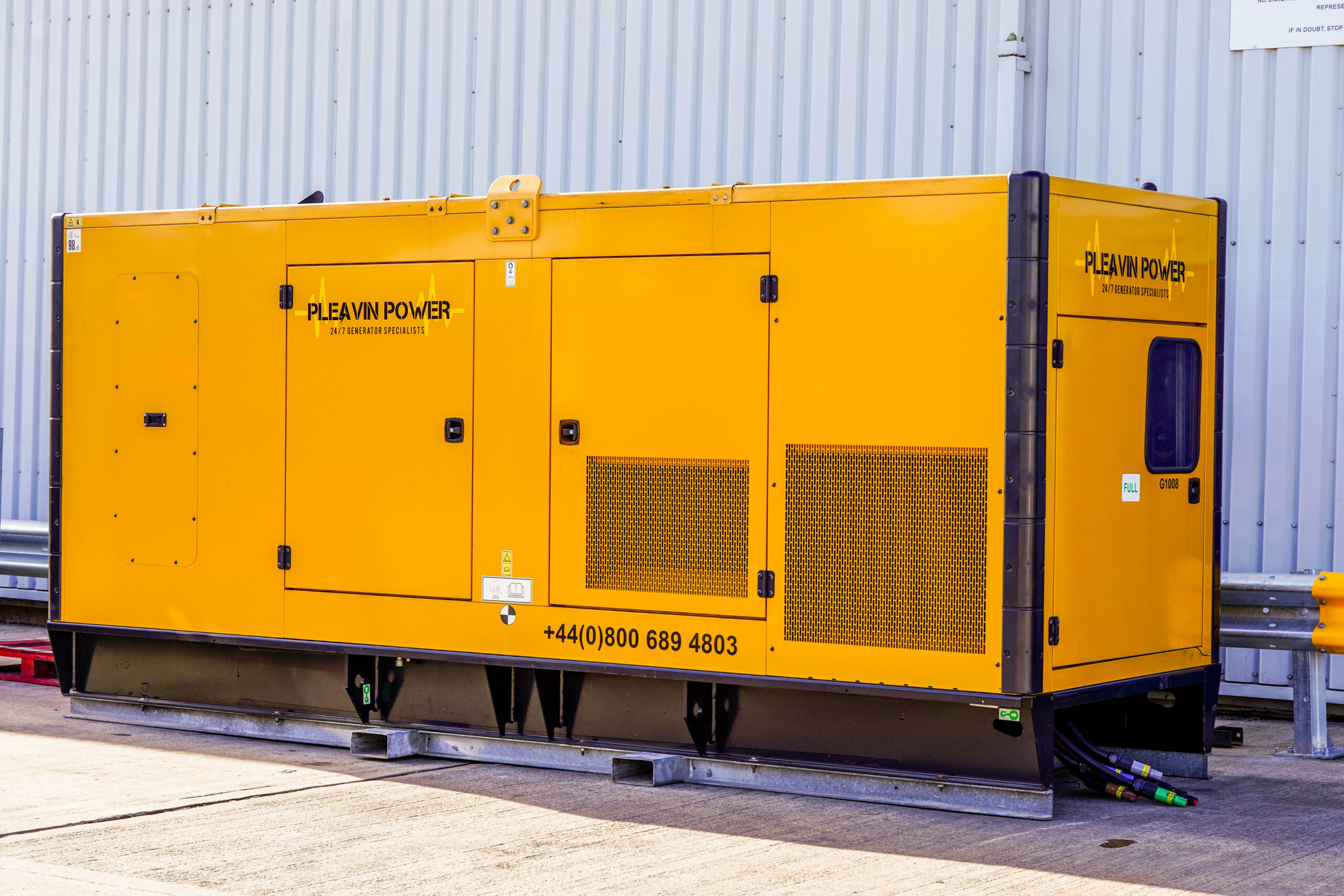
Standby generators are essential devices that provide automatic backup power during outages. These units are usually placed outside the structure, wired into the power grid and running on gas, propane, or diesel. When a power interruption occurs, the system recognizes the lack of power and starts up instantly. This action utilizes an ATS (Automatic Transfer Switch), which separates the building from the main supply and connects it to the generator
(Portland Standby Generators)The generator then begins to produce electricity, providing energy to critical systems or the complete structure, depending on its capacity. Typically, these generators have a built-in monitoring system that guarantees proper functioning and upkeep. These units run for long durations, offering a constant energy supply until the main grid is back online. Understanding the mechanics behind standby generators helps homeowners appreciate their role in improving power reliability and reducing interruptions when the power suddenly fails
Benefits of Installing a Standby Generator
Dependability is a major benefit of utilizing this type of generator, since it ensures continuous electricity during blackouts. This crucial capability ensures that facilities stay running, safeguarding important possessions and preserving convenience. Additionally, backup systems boost security by mitigating grid failures that might cause dangerous conditions, such as burst plumbing or non-functional medical devices.
Affordability is a further advantage; while the upfront cost may be high, the future financial benefits from minimizing spoilage, operational downtime, and urgent maintenance can be considerable. In addition, backup power systems boost the home's worth, which makes them an attractive feature for prospective purchasers.
The ease of use is also important, as they automatically activate during an outage, eliminating the need for human involvement. This smooth performance lets people to keep up their normal schedules without disruption. In summary, having a backup generator offers peace of mind, assuring that power is readily accessible when it matters most.
Essential Characteristics to Seek in a Standby Generator
In the process of picking a standby generator, a few vital attributes should be considered to ensure optimal operation and appropriateness for individual requirements. Initially, the wattage capacity is crucial; buyers must determine the wattage required to power necessary systems during an outage. Furthermore, the fuel type—whether NG, propane, or diesel—impacts performance and operational costs.
Another important feature is the automatic transfer mechanism, which enables smooth transition of power and boosts reliability. Construction and longevity are key factors; a well-built system can cope with extreme weather.
In addition, the volume of operation must be checked, as less noisy generators are ideal for neighborhood settings. Some generators offer automatic start capabilities, offering ease of use during sudden power failures. Finally, warranty and service options need to be checked, ensuring dependable assistance and maintenance. By evaluating these features, future owners can pick a unit that aligns with their individual power demands successfully.
Elements to Evaluate Before Purchase
Before committing to a standby generator, customers should carefully evaluate a few vital considerations to ensure they reach an informed decision. Portland Standby Generators. To start, they must assess their power needs by estimating the needed power to power essential devices during an outage. Secondly, the type of fuel is critical; options include natural gas, propane, or diesel, each possessing specific upsides and supply concerns
Additionally, buyers should consider the generator's transfer switch, which facilitates seamless power transfer. Installation necessities must also be considered, as some generators might require a certified installation or obtaining necessary permits
The warranty and support options should not be overlooked, as these try now can greatly impact long-term satisfaction. To conclude, those considering a purchase must check the generator's noise levels, above all if they are located in a housing development. By considering these elements, buyers are able to choose a standby generator that best meets their specific needs and preferences
Standby Generator Maintenance Guide
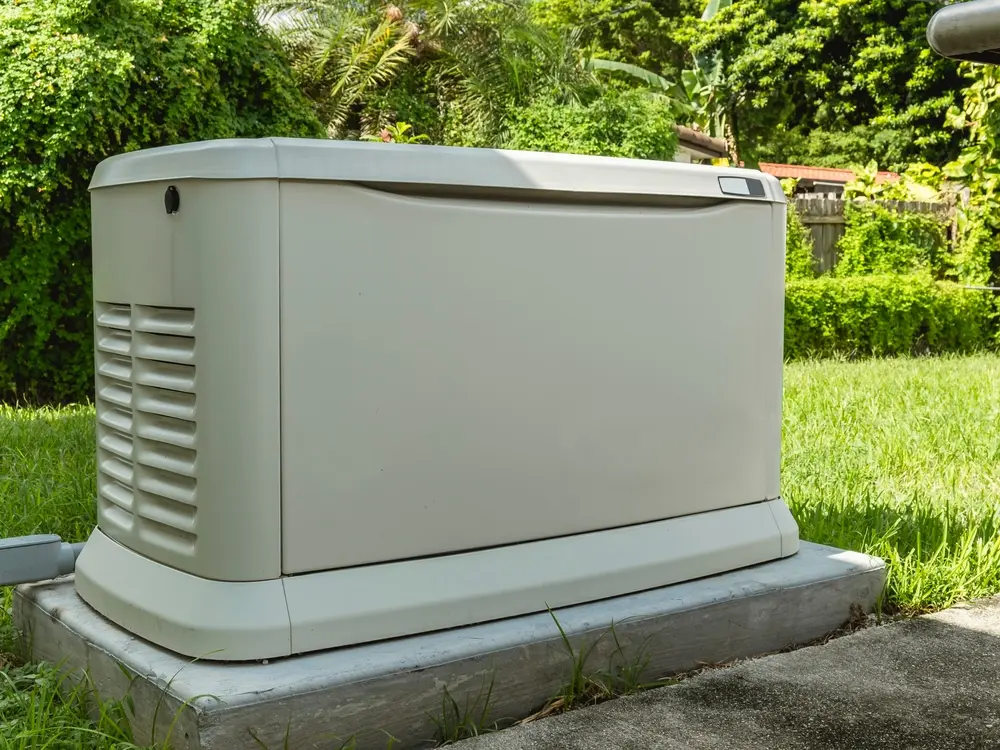
Routine servicing is crucial for guaranteeing ideal performance and longevity of a standby generator. Begin by checking the oil level in the unit, and replace the oil and filter as recommended by the maker. Inspect the air filter often and replace it as necessary to guarantee optimal airflow. It is crucial to check the battery and remove any terminal corrosion to ensure it starts reliably.
Conduct periodic load tests to confirm the generator can handle its maximum load. Furthermore, ensure that the exhaust system is free of obstructions and leaks. Maintaining a clean, debris-free generator can prevent the unit from overheating and having other issues.
Finally, book professional upkeep yearly to handle potential issues and perform in-depth inspections. By using these maintenance practices can greatly extend the lifespan of a standby generator, providing peace of mind when the power goes out.
FAQs
How Much Do Standby Generators Typically Cost?
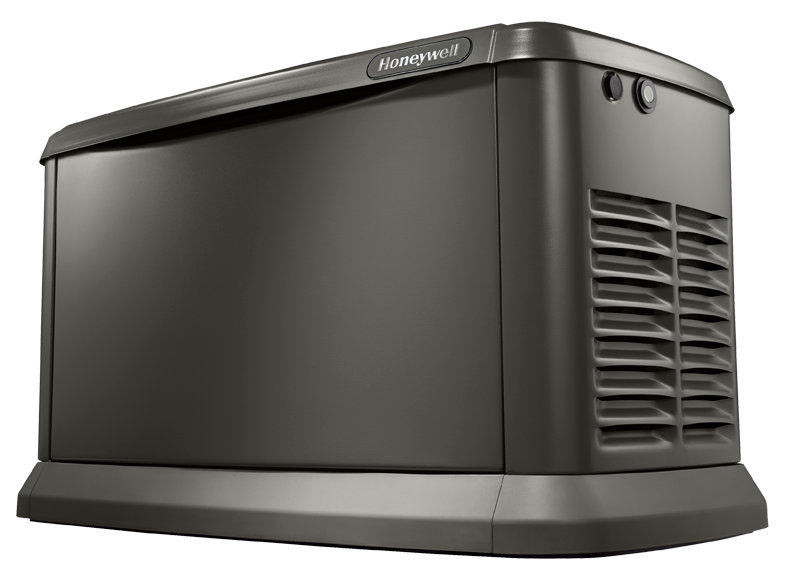
Backup generators usually range from $2,000 to $15,000, influenced by factors including the brand, power output, and complexity of installation. Extra costs often involve fuel tanks, permits, and ongoing maintenance, affecting the total investment needed.
Is Self-Installation of a Standby Generator Possible?
Installing a standby generator oneself is possible, but you must have knowledge of local regulations and electrical systems. It is highly recommended getting a contractor to ensure security, conformance, and the best operation of the generator installation.
What Fuels Do Standby Generators Use?
Standby generators commonly run on energy sources such as natural gas, propane, diesel, or gasoline. Portland Standby Generators. The selection of energy source often depends on the cost, availability, and particular power requirements, affecting the operation and efficiency of the generator
Are Permits Necessary for Installation?
Absolutely, installation permits are usually mandated for the installation of standby generators. Rules differ depending on the area, so it is vital for those installing the unit to speak to the municipal government to ensure adherence with all relevant codes and requirements.
For What Duration Can a Standby Unit Operate Continuously?
A standby generator can run continuously for a range of periods, usually between 24 and 48 hours, based on the load demands and fuel availability. Consistent servicing provides maximum efficiency and durability during extended operation periods.